
Carpet Cleaning for Allergies: Can Professional Cleaning Really Help?
Yes, carpet cleaning for allergies can help reduce many of the allergens trapped deep within your carpet, including dust mites, pet dander, pollen, and mold spores. While professional cleaning won’t cure allergies or eliminate every allergen, it can significantly improve indoor air quality and create a healthier living environment when combined with regular vacuuming and proper home maintenance.
Imagine walking into your living room after a long day. The carpet looks clean, you’ve vacuumed recently, and everything seems fine. Yet every time you sit down, you start sneezing, your eyes become itchy, or your child begins coughing. Many homeowners assume the problem is outdoor pollen or seasonal allergies, but the real issue may be hiding beneath their feet.
Carpets act like giant filters. They trap airborne particles that would otherwise continue circulating throughout your home. Over time, however, those trapped particles can build up deep within the carpet fibers and padding. That’s why carpet cleaning for allergies has become an important part of maintaining healthier indoor air, especially for families with children, pets, or anyone sensitive to allergens.
Why Can Carpets Trigger Allergy Symptoms?
Many people believe carpets cause allergies, but that’s not entirely true.
Carpets don’t create allergens; they collect them.
Every day, tiny particles enter your home through open doors, windows, shoes, pets, clothing, and even your heating and cooling system. Once these particles settle into carpet fibers, they can remain there until they’re removed through effective cleaning.
Some of the most common allergens trapped in carpets include:
- Dust mites and their waste
- Pet dander from cats and dogs
- Tree, grass, and weed pollen
- Mold spores
- Fine dust and dirt
- Outdoor pollutants carried indoors
- Tiny insect debris
As people walk across the carpet, these particles can become airborne again. This doesn’t mean every step releases large amounts of allergens, but frequent foot traffic may disturb settled particles and contribute to allergy symptoms in sensitive individuals.
This is one of the biggest reasons carpet cleaning for allergies is recommended as part of an overall indoor air quality plan rather than as a standalone solution.
Related: Top Signs Your Carpet Needs Professional Cleaning
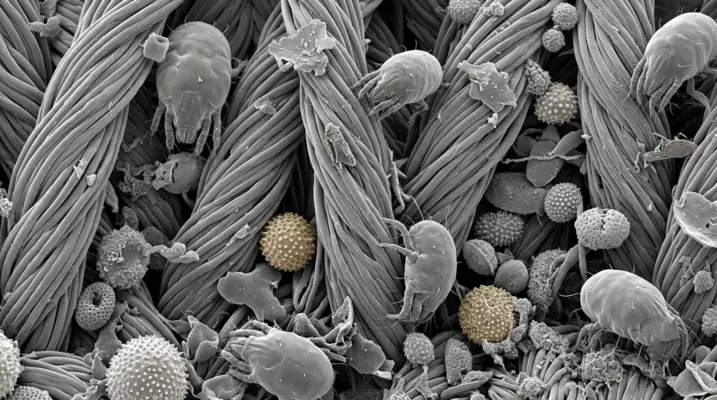
How Carpet Fibers Trap Allergens
Carpet fibers work much like the filter inside an HVAC system.
Instead of allowing dust and allergens to remain suspended in the air, carpets capture many of these particles. This can actually benefit indoor air quality provided the carpet is cleaned regularly.
The problem begins when years of accumulated debris remain trapped beneath the surface.
Vacuuming removes much of the loose dirt and debris from the top layers, but microscopic allergens often settle deeper into the carpet pile and even into the carpet padding below. Once moisture, humidity, and everyday foot traffic are added to the mix, these trapped particles can become more difficult to remove without professional equipment.
Professional carpet cleaning for allergies focuses on extracting contaminants from deeper within the carpet rather than simply cleaning the surface.
Related: Why Vacuuming Alone Is Not Enough for Your Carpets
Common Allergens Found in Carpets
Understanding what hides inside your carpet makes it easier to see why routine maintenance matters.
Dust Mites
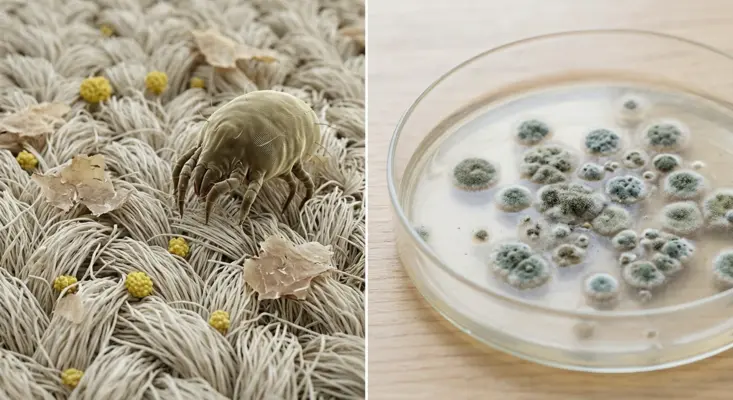
Dust mites are microscopic organisms that feed on tiny flakes of human skin. They’re invisible to the naked eye and thrive in warm, humid environments.
Although dust mites themselves aren’t usually the problem, proteins found in their waste can trigger allergic reactions in sensitive individuals.
Homes along the Texas Gulf Coast, including League City, often experience higher humidity levels for much of the year. Without proper humidity control, dust mites may find carpets and upholstered furniture to be favorable environments.
Pet Dander
Many homeowners assume pet hair causes allergies.
In reality, pet dander is usually the bigger concern.
Pet dander consists of tiny skin flakes shed by cats, dogs, and other furry animals. Because these particles are extremely lightweight, they can spread throughout a home and settle deep into carpet fibers.
Even homes that are vacuumed regularly can accumulate dander over time, especially in rooms where pets spend most of their day.
Professional carpet cleaning for allergies can help remove much of the dander trapped beneath the surface, particularly when combined with routine vacuuming using a sealed HEPA-filter vacuum.
Pollen
Pollen doesn’t stay outside.
It enters your home on:
- Shoes
- Clothing
- Pets
- Grocery bags
- Open windows
- Air currents
Once inside, much of it eventually settles into carpets.
During spring and fall, homeowners in League City, Friendswood, Dickinson, and other nearby Gulf Coast communities often notice increased allergy symptoms because local pollen counts can remain elevated for extended periods.
Regular carpet cleaning for allergies helps reduce the amount of pollen that accumulates indoors throughout allergy season.
Mold Spores
Mold spores are naturally present in outdoor air, but they can become a greater concern indoors when excess moisture is present.
If carpets remain damp after spills, flooding, or improper DIY shampooing, mold growth may become more likely under certain conditions.
This is one reason professionals emphasize proper extraction and drying during deep carpet cleaning.
Simply making a carpet look clean isn’t enough; it should also dry quickly to help minimize moisture-related issues.
Does Vacuuming Remove Allergens?
Vacuuming is one of the best habits homeowners can develop, but it isn’t a complete solution.
A quality vacuum removes loose dirt, visible debris, and many allergens from the carpet’s surface. However, microscopic particles can remain embedded deeper within the carpet pile and padding.
The effectiveness of vacuuming also depends on the equipment being used.
A vacuum with a sealed HEPA filtration system captures much smaller particles than many standard vacuums. Lower-quality vacuums may even release some fine particles back into the air while cleaning.
For households affected by allergies, professionals often recommend:
- Vacuuming high-traffic areas two to three times per week.
- Using a sealed HEPA-filter vacuum whenever possible.
- Vacuuming slowly to improve dirt removal.
- Emptying or replacing filters according to the manufacturer’s instructions.
- Scheduling professional carpet cleaning for allergies at appropriate intervals to remove deeply embedded contaminants.
Vacuuming and professional cleaning work best together, not as replacements for one another.
Related: Benefits of Professional Carpet Cleaning or DIY Methods
Professional Tip
Don’t wait until your carpet looks dirty before scheduling service.
One of the most common mistakes professionals see is delaying carpet cleaning until visible stains or discoloration appears. By that point, allergens, fine dust, and other contaminants may have been building up beneath the surface for months.
For many allergy sufferers, preventive maintenance is more effective than waiting until symptoms become noticeable.
Is Steam Carpet Cleaning the Best Method for Allergy Relief?
When homeowners ask professionals about the most effective carpet cleaning for allergies, one cleaning method is recommended more often than any other, hot water extraction, commonly called steam carpet cleaning.
Hot water extraction uses heated water mixed with a cleaning solution to loosen dirt, allergens, and debris trapped deep within carpet fibers. Powerful extraction equipment then removes much of the water along with dust, pet dander, pollen, and other contaminants. Although the process is often referred to as “steam cleaning,” the cleaning itself relies primarily on hot water and strong extraction rather than steam alone.
Unlike surface cleaning methods, hot water extraction reaches areas that ordinary vacuuming cannot. This makes it one of the most effective professional options for homeowners who want carpet cleaning for allergies while also improving the overall cleanliness of their carpets.
Professional technicians also adjust water temperature, cleaning solutions, and drying techniques based on the carpet type. Proper extraction is important because carpets that remain excessively wet for long periods may create conditions that encourage mold growth.

How Hot Water Extraction Helps Reduce Allergens
Professional carpet cleaning for allergies works by removing contaminants that settle deep below the visible surface.
The cleaning process can help reduce:
- Dust mite waste
- Pet dander
- Pollen
- Fine household dust
- Dirt trapped in carpet fibers
- Some mold spores and other particles that accumulate over time
While no cleaning method can permanently eliminate allergens, removing a significant portion of these particles often helps create a healthier indoor environment.
This is especially valuable for households with children who spend time playing on carpets or family members who experience seasonal allergies throughout the year.
Steam Cleaning vs. Shampoo Cleaning
Many homeowners aren’t sure which cleaning method is better.
Here’s a simple comparison.
| Feature | Steam Cleaning (Hot Water Extraction) | Carpet Shampoo Cleaning |
|---|---|---|
| Removes Deep Allergens | ✅ Excellent | ⚠ Moderate |
| Residue Left Behind | Very Low (when done correctly) | Can be higher |
| Drying Time | Moderate | Often Longer |
| Suitable for Allergy Concerns | ✅ Yes | Less Ideal |
| Recommended by Many Carpet Manufacturers | ✅ Yes | Sometimes |
For most homes, hot water extraction remains the preferred choice for carpet cleaning for allergies because it cleans deeper while leaving less residue behind when performed correctly.
Can DIY Carpet Cleaning Remove Allergens?
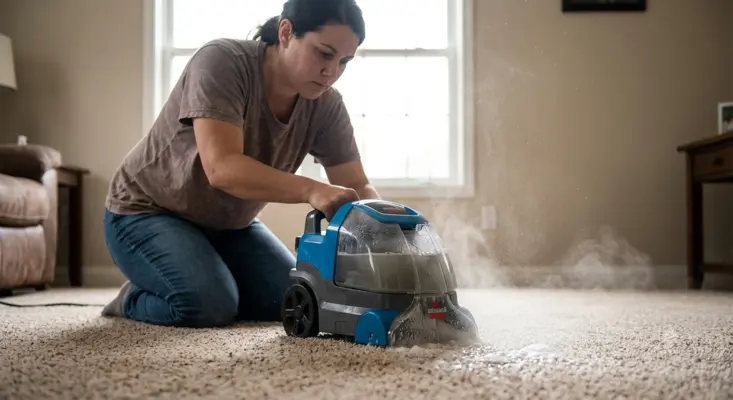
DIY carpet cleaning machines have improved over the years, and they certainly have their place.
For small spills or routine maintenance between professional visits, renting or owning a carpet cleaner can be helpful.
However, there are some important limitations.
Consumer machines generally:
- Produce less water pressure
- Have weaker suction
- Leave behind more moisture
- Remove less embedded soil
- Require more drying time
This doesn’t mean DIY cleaning is ineffective.
It simply means professional carpet cleaning for allergies usually removes more deeply embedded contaminants because commercial equipment provides stronger extraction.
DIY vs. Professional Carpet Cleaning for Allergies
| Comparison | DIY Carpet Cleaning | Professional Carpet Cleaning |
|---|---|---|
| Equipment Power | Moderate | High |
| Deep Allergen Removal | Limited | Excellent |
| Drying Efficiency | Slower | Faster with professional equipment |
| Risk of Overwetting | Higher | Lower when properly performed |
| Best For | Routine maintenance | Deep cleaning and allergy reduction |
Expert Recommendation
Think of DIY cleaning as routine maintenance, not a replacement for professional service.
Regular vacuuming, prompt spill cleanup, and occasional DIY cleaning can all help maintain your carpets between professional appointments.
How Often Should Allergy Sufferers Have Their Carpets Cleaned?
There isn’t one schedule that fits every home.
The right frequency depends on your household, pets, children, foot traffic, and local conditions.
Homes in League City often experience higher humidity, frequent rainfall, and seasonal pollen, all of which can contribute to faster allergen buildup inside carpets.
That’s why carpet cleaning for allergies should be based on your home’s actual needs rather than a fixed calendar.
Recommended Cleaning Schedule
| Household Type | Suggested Professional Cleaning |
|---|---|
| Single Adult | Every 12 months |
| Couple | Every 9–12 months |
| Family with Children | Every 6–9 months |
| Pet Owners | Every 6 months |
| Allergy or Asthma Sufferers | Every 3–6 months (depending on symptoms and household conditions) |
| High-Foot-Traffic Homes | Every 6 months |
These are general recommendations. Homes with multiple pets, ongoing renovations, or unusually high indoor dust may benefit from more frequent inspections and cleaning.
Three Original Insights Many Blogs Miss
Most articles stop after saying that carpets collect allergens.
There’s much more homeowners should know.
1. Carpet Padding Can Hold Allergens Too
Many people focus only on the visible carpet surface.
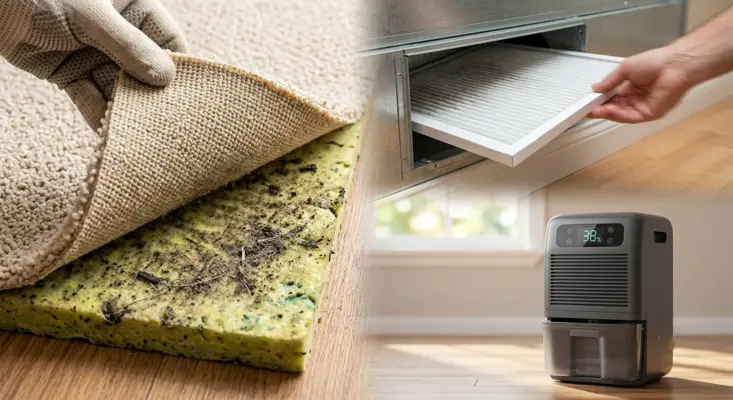
However, allergens often work their way into the carpet padding underneath. This is one reason professional extraction equipment can provide better results than routine vacuuming alone.
If a carpet has experienced repeated flooding or prolonged moisture exposure, simply cleaning the surface may not fully address deeper contamination.
2. Your HVAC System Can Reintroduce Allergens
Even after successful carpet cleaning for allergies, dirty HVAC filters may continue circulating dust and pollen throughout the home.
Changing air filters regularly and scheduling HVAC maintenance can complement professional carpet cleaning by reducing the amount of airborne debris entering your carpets again.
Indoor air quality depends on the entire home, not just the carpet.
3. Humidity Matters More Than Most People Realize
League City’s Gulf Coast climate creates conditions that many national articles overlook.
Higher humidity doesn’t automatically cause allergies, but it can encourage dust mites and increase the risk of moisture-related problems if carpets stay damp after spills or cleaning.
Keeping indoor humidity around 30–50% with proper ventilation or a dehumidifier may help create a less favorable environment for dust mites while also supporting healthier indoor air.
Common Mistakes That Can Make Allergy Problems Worse
Even homeowners with good intentions sometimes make simple mistakes.
Here are some of the most common ones professionals see.
Waiting Until the Carpet Looks Dirty
Allergens are microscopic.
A carpet can appear spotless while still holding dust mites, pollen, and pet dander below the surface.
Vacuuming Too Quickly
Slow, overlapping vacuum passes generally remove more debris than rushing through the room.
Using an Old Vacuum Without HEPA Filtration
Some older vacuums release fine particles back into the air.
A sealed HEPA-filter vacuum captures much smaller particles and helps improve indoor cleanliness.
Leaving Carpets Damp
After spills or DIY shampooing, carpets should dry as quickly as possible.
Extended moisture may increase the likelihood of mold growth under suitable conditions.
Forgetting Upholstery and Area Rugs
Sofas, chairs, and area rugs collect many of the same allergens found in wall-to-wall carpeting.
Cleaning only one surface may limit the overall benefits of carpet cleaning for allergies.
Myth vs. Fact
| Myth | Fact |
|---|---|
| Carpets cause allergies. | Carpets don’t create allergens—they trap many particles already present in the home. |
| Vacuuming alone removes everything. | Vacuuming is essential but cannot always remove deeply embedded allergens. |
| Professional cleaning cures allergies. | Professional carpet cleaning for allergies can reduce allergen levels but isn’t a medical cure. |
| Only dirty-looking carpets need cleaning. | Allergens often accumulate long before carpets appear dirty. |
| Shampoo cleaning is always the best option. | Hot water extraction is often preferred for deeper cleaning and improved residue removal. |
Professional Tip
If someone in your household has persistent allergy symptoms, don’t focus on just one cleaning task.
The best results usually come from combining:
- Regular HEPA vacuuming
- Professional carpet cleaning for allergies
- Clean HVAC filters
- Controlled indoor humidity
- Frequent washing of bedding
- Cleaning upholstery and area rugs
Each step supports the others and contributes to a healthier indoor environment.
Carpet Cleaning for Allergies for Pet Owners
Pets bring joy to a home, but they also introduce allergens that can become trapped in carpets. Even if your dog or cat doesn’t shed much hair, tiny flakes of skin known as pet dander can settle deep into carpet fibers and upholstery.
This is why carpet cleaning for allergies is especially important for pet-friendly households. Vacuuming helps remove hair and surface debris, but dander and fine particles often settle below the surface where regular household vacuums can’t always reach effectively.
If you share your home with pets, consider these simple habits:
- Vacuum at least two to three times per week using a sealed HEPA-filter vacuum.
- Wipe your pet’s paws after outdoor walks to reduce pollen and dirt brought indoors.
- Wash pet bedding regularly.
- Groom pets according to your veterinarian’s recommendations.
- Schedule professional carpet cleaning for allergies every 3–6 months if allergy symptoms are persistent.
These small steps work together to reduce allergen buildup and help maintain cleaner indoor air.

Carpet Cleaning for Allergies in Homes with Children
Children often spend more time sitting, crawling, and playing on carpets than adults. Because they’re closer to the floor, they’re also more likely to come into contact with dust, pet dander, and other particles trapped in carpet fibers.
For families, carpet cleaning for allergies isn’t just about keeping carpets looking nice; it’s about creating a cleaner indoor environment where children can play more comfortably.
Parents can also reduce allergens by:
- Removing shoes before entering the home.
- Cleaning spills quickly to prevent moisture problems.
- Washing stuffed toys regularly.
- Using entry mats to trap outdoor dirt.
- Vacuuming play areas several times each week.
These simple habits can make a noticeable difference over time.
Seasonal Allergies and Carpet Cleaning in League City
Homeowners in League City and nearby communities such as Friendswood, Dickinson, Pearland, Webster, and Seabrook experience seasonal allergy challenges that aren’t always discussed in national carpet cleaning articles.
The Gulf Coast climate brings:
- Higher humidity
- Heavy spring pollen
- Frequent rainstorms
- Increased outdoor moisture
- Longer allergy seasons
All of these factors can contribute to more allergens being tracked indoors.
For this reason, carpet cleaning for allergies is often most beneficial before or during peak allergy seasons rather than waiting until symptoms become severe.
Seasonal Maintenance Guide
| Season | Allergy Concern | Carpet Care Recommendation |
|---|---|---|
| Spring | Heavy pollen | Vacuum frequently and schedule professional cleaning if needed. |
| Summer | High humidity | Keep indoor humidity under control and clean spills quickly. |
| Fall | Outdoor debris and weeds | Increase vacuuming and clean entryways regularly. |
| Winter | Indoor dust buildup | Deep clean carpets and improve indoor air circulation. |
Planning your cleaning schedule around the seasons can help reduce allergen buildup throughout the year.
When Is Professional Carpet Cleaning the Right Choice?
Professional carpet cleaning for allergies isn’t necessary every time your carpet gets a little dusty.
However, it’s worth considering if:
- Someone in your home experiences recurring allergy symptoms.
- You own multiple pets.
- Your home has heavy foot traffic.
- It’s been more than a year since your last deep cleaning.
- Water damage or excessive moisture has affected your carpet.
- You’re preparing for a new baby or expecting guests.
- You’re moving into a previously occupied home.
Balanced Advice
Routine vacuuming and good housekeeping remain essential for every household.
Professional carpet cleaning for allergies works best as part of an overall maintenance plan—not as a replacement for regular cleaning habits.
Common Signs Your Carpet May Be Holding Allergens
Your carpet doesn’t have to look dirty to contain allergens.
Watch for these common signs:
- Frequent sneezing indoors
- Itchy or watery eyes while at home
- Allergy symptoms that improve after leaving the house
- Persistent pet odors
- Dust returning quickly after cleaning
- Increased allergy symptoms during high pollen seasons
These signs don’t automatically mean your carpet is the only cause, but they may indicate it’s time for a closer inspection and a deep cleaning.
Related: Top Signs Your Carpet Needs Professional Cleaning
Allergy-Friendly Carpet Maintenance Checklist
Use this checklist to keep allergens under control between professional visits.
Weekly
- Vacuum high-traffic areas two to three times.
- Vacuum under furniture whenever possible.
- Remove shoes before entering.
- Wash pet bedding.
Monthly
- Replace or inspect HVAC filters.
- Vacuum upholstered furniture.
- Clean area rugs.
- Check for moisture around entryways.
Every 3–6 Months
- Schedule professional carpet cleaning for allergies if someone in the home has allergies or asthma.
- Inspect carpets for stains, odors, or moisture issues.
Every Year
- Have all major carpeted areas professionally cleaned.
- Review indoor humidity levels.
- Clean upholstery and area rugs if needed.
Final Expert Recommendations
Based on industry best practices, these recommendations provide the greatest long-term benefit for households concerned about allergens.
Recommendation 1
Choose hot water extraction performed by trained professionals whenever deep cleaning is needed.
Recommendation 2
Use a sealed HEPA-filter vacuum rather than relying on older vacuums that may release fine dust back into the air.
Recommendation 3
Keep indoor humidity between approximately 30% and 50% to help discourage dust mites and reduce moisture-related issues.
Recommendation 4
Treat your entire home as an indoor air system. Clean carpets, upholstery, air filters, and entryways together for the best overall results.
Conclusion
Carpet cleaning for allergies can play an important role in creating a healthier indoor environment by helping remove dust, pet dander, pollen, and other allergens trapped deep within carpet fibers. While no cleaning method can completely eliminate allergens or cure allergy symptoms, combining professional carpet cleaning with regular vacuuming, proper humidity control, and routine home maintenance can significantly reduce allergen buildup over time.
For homeowners in League City, where Gulf Coast humidity and seasonal pollen can make indoor allergen control more challenging, staying proactive is often more effective than waiting until carpets appear dirty.
If your carpets haven’t been professionally cleaned in a while or someone in your home struggles with recurring allergy symptoms, scheduling carpet cleaning for allergies may be a worthwhile step toward improving your home’s overall indoor air quality.
Frequently Asked Questions
Does carpet cleaning really help with allergies?
Yes. Professional carpet cleaning for allergies can reduce many allergens trapped in carpet fibers, including dust, pet dander, pollen, and dust mite debris. While it isn’t a cure for allergies, it often improves indoor cleanliness and air quality.
How often should allergy sufferers have their carpets professionally cleaned?
Many professionals recommend every 3–6 months for households with significant allergy concerns, although the ideal schedule depends on pets, foot traffic, and local conditions.
Is steam cleaning better than shampoo cleaning for allergies?
Hot water extraction (often called steam cleaning) is generally preferred because it removes deeply embedded dirt and allergens while leaving less residue when performed correctly.
Can dirty carpets make allergy symptoms worse?
Dirty carpets can trap allergens that may contribute to allergy symptoms in sensitive individuals, particularly if they aren’t cleaned regularly.
Is vacuuming enough to remove allergens?
Vacuuming is essential, but it mainly removes surface debris. Professional carpet cleaning for allergies helps remove contaminants from deeper within the carpet.
Can pet owners benefit from professional carpet cleaning?
Absolutely. Homes with pets often accumulate pet dander, hair, and outdoor debris more quickly, making routine professional cleaning especially beneficial.
Does carpet cleaning improve indoor air quality?
Professional carpet cleaning for allergies can contribute to better indoor air quality by removing many pollutants and allergens trapped within carpet fibers. The best results come when it’s combined with HEPA vacuuming, clean HVAC filters, and proper humidity control.