
The best way to keep carpets clean in busy areas is to focus on prevention, consistent maintenance, and timely professional cleaning rather than waiting until carpets look dirty. High-traffic areas collect dirt, grit, moisture, and debris much faster than the rest of your home or business. By following a smart, high-traffic carpet maintenance plan, you can reduce wear, improve indoor air quality, and extend the life of your carpets.
Think about the busiest part of any building. In a family home, it’s often the hallway or living room. In an office, it’s the reception area or main corridor. Those spaces may only represent a small percentage of the total carpeted area, yet they receive hundreds or even thousands of footsteps every week. Without a maintenance plan, these sections begin to show traffic lanes, dull patches, and stubborn stains long before the rest of the carpet.
Many homeowners and business owners believe replacing worn carpets is inevitable. In reality, much of that wear can be delayed through proper care. This guide explains practical strategies to protect carpets in busy areas, prevent unnecessary damage, and maintain a cleaner, more professional-looking space all year round.
Why High Traffic Areas Get Dirty Faster
One of the biggest misconceptions is that foot traffic alone wears out carpets.
In reality, it’s the dirt and grit carried beneath shoes that cause the most damage.
Tiny particles of sand, soil, and dust become trapped between carpet fibers. Every step presses these particles deeper into the carpet, where they act like fine sandpaper. Over time, this constant friction causes fibers to flatten, lose their texture, and wear prematurely.
Following a consistent high-traffic carpet maintenance routine removes these abrasive particles before they have the chance to cause long-term damage.
Common high-traffic areas include:
- Entryways
- Hallways
- Living rooms
- Family rooms
- Office corridors
- Reception areas
- Waiting rooms
- Retail aisles
- Hotel lobbies
- Stair landings
These locations should always receive more attention than rooms that are rarely used.
Related: 10 Smart Business Carpet Cleaning Frequency Tips to Save Money
The Hidden Cost of Ignoring Carpet Maintenance
Many people only notice carpets when visible stains appear.
Unfortunately, by that stage, damage has often been developing for months.
Poor high-traffic carpet maintenance can lead to the following:
- Permanent traffic lanes.
- Flattened carpet fibers.
- Embedded dirt and grit.
- Lingering odors.
- Reduced indoor air quality.
- Shorter carpet lifespan.
- Higher replacement costs.
Regular maintenance is almost always more affordable than replacing worn commercial or residential carpeting years earlier than expected.
Tip 1: Vacuum High Traffic Areas More Frequently
Vacuuming remains one of the most effective ways to protect carpets.
However, frequency matters just as much as technique.
Busy areas should be vacuumed far more often than spare bedrooms or conference rooms that see little daily activity.
A general guideline is the following:
| Area | Recommended Vacuuming |
|---|---|
| Entryways | Daily |
| Hallways | Daily or every other day |
| Living Rooms | Two to three times weekly |
| Office Reception Areas | Daily |
| Retail Stores | Daily |
| Hotel Lobbies | Daily |
Consistent vacuuming supports effective high-traffic carpet maintenance by removing abrasive particles before they become deeply embedded.
Expert Tip
Vacuum slowly rather than rushing through the job. Slower passes allow the vacuum to lift more dirt from deep within the carpet pile.
Tip 2: Install Quality Entrance Mats
One of the simplest ways to protect carpets is to stop dirt before it reaches them.
Competitor articles often mention entrance mats but rarely explain how much difference they make.
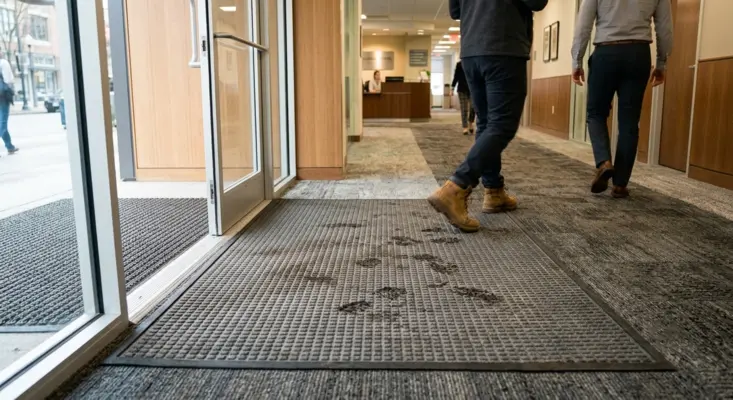
Research has shown that properly placed walk-off mats can capture a significant amount of dirt and moisture before it reaches interior flooring.
For best results:
- Place a durable outdoor mat outside each entrance.
- Add an absorbent indoor mat immediately inside the doorway.
- Clean entrance mats regularly so they continue trapping dirt effectively.
Good entrance mat systems significantly improve high-traffic carpet maintenance while reducing cleaning costs.
Tip 3: Clean Spills Immediately
High-traffic areas are more likely to experience accidental spills.
Coffee, soft drinks, muddy footprints, and food spills should never be ignored.
The longer moisture remains in carpet fibers, the greater the chance of staining or unpleasant odors.
If a spill occurs:
- Blot the liquid using a clean, dry cloth.
- Avoid rubbing the stain.
- Use an appropriate carpet-safe cleaning solution if necessary.
- Allow the area to dry completely.
Quick action prevents small accidents from becoming permanent problems.
Tip 4: Focus on the 80/20 Rule
Here’s an idea that many competing articles overlook.
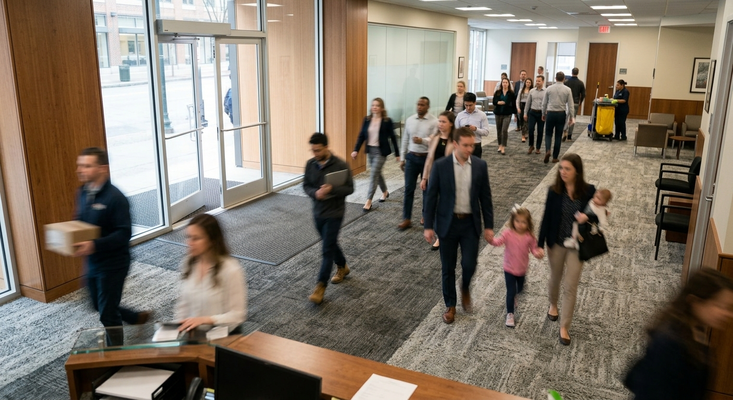
In most homes and businesses, approximately 20% of the carpeted area receives around 80% of daily foot traffic.
Instead of treating every room equally, prioritize those heavily used zones.
This means spending extra time on:
- Main entrances
- Hallways
- Reception desks
- Waiting areas
- Living rooms
- Corridors between frequently used rooms
Using the 80/20 approach makes high-traffic carpet maintenance more efficient because your efforts are directed where they’ll have the greatest impact.
Tip 5: Rotate Furniture When Possible
Furniture isn’t just for decoration; it can also help distribute foot traffic.
When practical, rearranging chairs, coffee tables, or seating areas encourages people to walk along slightly different paths instead of following the same worn route every day.
This simple habit reduces visible traffic lanes and promotes more even carpet wear.
It’s particularly useful in:
- Waiting rooms
- Office lounges
- Living rooms
- Hotel seating areas
Combined with regular vacuuming, this strategy helps maintain a more uniform carpet appearance.
Tip 6: Use Protective Walk-Off Zones Instead of a Single Mat
Many people believe one doormat at the entrance is enough.
In reality, a single mat only captures part of the dirt brought in from outside.
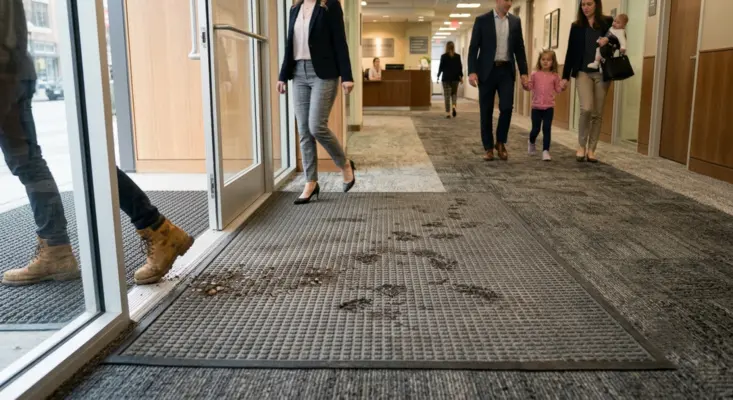
A better approach is to create three protective zones:
Zone 1: Outdoor Entrance
Use a coarse mat designed to remove mud, gravel, leaves, and larger debris before people enter the building.
Zone 2: Indoor Entrance
Place an absorbent mat immediately inside the doorway to capture moisture and finer dirt that remains on shoes.
Zone 3: Transition Area
If space allows, extend the protected walkway with carpet runners or additional mats. This gives shoes more contact time before reaching the main carpeted areas.
A layered entrance system dramatically improves high-traffic carpet maintenance by reducing the amount of dirt that reaches your carpets in the first place.
Tip 7: Treat High-Traffic Spots Before They Become Stained
Don’t wait until carpets look dirty.
High-traffic areas usually show subtle warning signs long before permanent damage occurs.
Watch for:
- Slight colour changes
- Flattened carpet fibres
- Small recurring spots
- Dull traffic lanes
- Increased dust near entrances
Addressing these issues early is far easier than restoring heavily worn carpet later.
As part of your high-traffic carpet maintenance routine, inspect busy areas every few weeks rather than waiting for annual deep cleaning.
Related: Questions to Ask Before Hiring Carpet Cleaners
Tip 8: Schedule Professional Deep Cleaning Before Problems Develop
Vacuuming removes loose surface dirt, but it cannot extract deeply embedded soil, allergens, oils, or bacteria trapped beneath the carpet pile.
Professional cleaning reaches areas that household equipment simply cannot.
Depending on traffic levels, most busy areas benefit from scheduled deep cleaning throughout the year rather than waiting until carpets appear heavily soiled.
The exact schedule depends on factors such as the following:
- Daily foot traffic
- Weather conditions
- Indoor air quality goals
- Pets
- Food and drink spills
- Type of business or household
Following a planned high-traffic carpet maintenance schedule helps preserve carpet fibers while maintaining a cleaner and healthier indoor environment.

Tip 9: Build a Maintenance Routine Instead of Cleaning Only When Needed
The most effective high-traffic carpet maintenance strategy is based on consistent routines.
Daily
- Vacuum entrances and busy walkways.
- Remove visible debris.
- Blot spills immediately.
- Check entrance mats.
Weekly
- Vacuum under movable furniture.
- Spot clean new stains.
- Shake out or clean entrance mats.
- Inspect heavy-use areas.
Monthly
- Examine traffic lanes for early wear.
- Deep vacuum corners and edges.
- Rotate furniture where practical.
- Inspect carpet seams and edges.
Quarterly
- Schedule professional inspections if needed.
- Arrange deep cleaning for busy areas.
- Review your maintenance routine and adjust it based on seasonal conditions.
A simple schedule like this prevents maintenance from becoming overwhelming and helps carpets stay in better condition year-round.
Tip 10: Train Everyone to Help Protect the Carpet
Whether it’s a family home or a commercial building, carpet care shouldn’t fall on one person alone.
Simple habits can make a noticeable difference.
Encourage people to:
- Wipe their shoes before entering.
- Report spills immediately.
- Avoid dragging heavy furniture.
- Use chair mats where appropriate.
- Keep food and drinks away from sensitive carpeted areas whenever possible.
When everyone contributes, high-traffic carpet maintenance becomes easier, more consistent, and far more effective.
Preventive Maintenance vs Reactive Cleaning
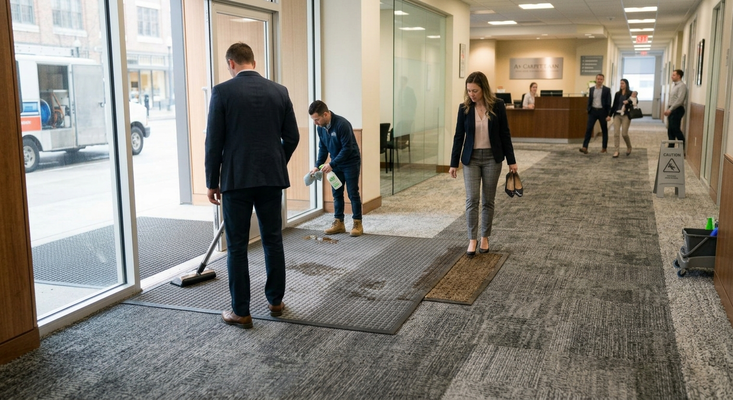
One of the biggest reasons carpets wear out early is waiting until they already look dirty.
The comparison below highlights why prevention is almost always the better approach.
| Preventive Maintenance | Reactive Cleaning |
|---|---|
| Removes dirt before it damages fibers. | Dirt remains trapped for longer |
| Helps carpets maintain their appearance | Traffic lanes become more noticeable |
| Extends carpet lifespan | Carpet wears out more quickly |
| Improves indoor air quality | Dust and allergens continue to build up |
| Reduces long-term maintenance costs | Higher repair or replacement costs |
| Makes professional cleaning more effective | Cleaning often becomes more difficult |
A proactive high-traffic carpet maintenance plan protects your investment and reduces expensive repairs over time.
Seasonal Carpet Care Tips
Another topic competitors often overlook is how seasonal changes affect carpet maintenance.
Spring
Rain, mud, and pollen can quickly accumulate near entrances.
Increase vacuuming frequency and clean entrance mats more often.
Summer
Children, guests, and increased outdoor activities often lead to more dirt being tracked indoors.
Inspect busy areas regularly and deal with spills promptly.
Autumn
Leaves, dust, and outdoor debris can build up quickly.
Schedule a professional inspection before winter if your carpets receive heavy daily use.
Winter
Wet shoes and moisture can remain trapped in carpet fibers.
Ensure carpets dry properly after cleaning and continue using high-quality entrance mats.
Adjusting your high-traffic carpet maintenance routine throughout the year helps carpets remain cleaner regardless of the season.
Common Mistakes That Shorten Carpet Life
Even well-maintained carpets can deteriorate prematurely if common mistakes are ignored.
Avoid these habits:
- Waiting until carpets look dirty before cleaning.
- Vacuuming too quickly.
- Ignoring entrance mats.
- Rubbing spills instead of blotting them.
- Using excessive amounts of cleaning solution.
- Skipping professional deep cleaning.
- Moving heavy furniture by dragging it across the carpet.
- Neglecting high-traffic zones while cleaning low-use rooms.
Avoiding these mistakes is just as important as following a regular maintenance schedule.
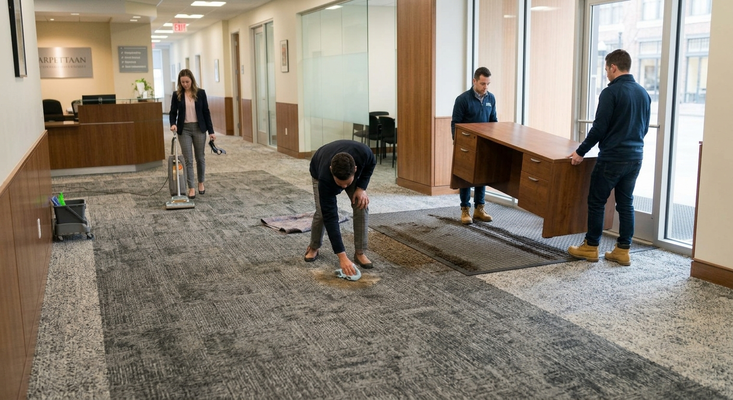
Related: Common Carpet Cleaning Mistakes Homeowners Make
Local Tip for League City Businesses and Homeowners
Homes and businesses in League City, Friendswood, Pearland, Dickinson, Webster, Pasadena, and Seabrook often experience higher humidity than many other parts of the country.
Combined with frequent rainfall, this means moisture and dirt can remain trapped in carpet fibers for longer periods if they aren’t removed promptly.
A well-planned high-traffic carpet maintenance routine, supported by regular professional cleaning, helps reduce moisture-related problems and keeps carpets looking their best throughout the year.
Related Services:
Frequently Asked Questions
1. What is high-traffic carpet maintenance?
High-traffic carpet maintenance is the routine care given to carpeted areas that receive the most foot traffic, such as entrances, hallways, reception areas, living rooms, and office corridors. It includes regular vacuuming, prompt spill removal, entrance mat systems, and scheduled professional cleaning to reduce wear and extend carpet life.
2. How often should high-traffic carpets be professionally cleaned?
There isn’t a one-size-fits-all schedule. Homes with children or pets and businesses with constant foot traffic generally benefit from professional cleaning every 3 to 6 months, while lower-traffic areas may only need deep cleaning once or twice a year. The right high-traffic carpet maintenance schedule depends on how heavily the carpet is used.
3. Does vacuuming alone keep high-traffic carpets clean?
No. Vacuuming removes loose dirt and debris from the surface, but it cannot remove deeply embedded soil, allergens, oils, and bacteria trapped within carpet fibers. Professional deep cleaning is an important part of any high-traffic carpet maintenance plan.
4. What causes traffic lanes on carpets?
Traffic lanes develop when dirt, grit, and oils become embedded in carpet fibers along frequently used walking paths. Every footstep presses these particles deeper into the carpet, causing fibers to flatten and lose their original appearance. Preventive maintenance and regular cleaning help minimize this problem.
5. Can entrance mats really reduce carpet wear?
Yes. Quality entrance mats trap dirt and moisture before they reach your carpets. A properly designed walk-off mat system is one of the simplest and most cost-effective ways to support high-traffic carpet maintenance and reduce long-term cleaning costs.
6. How can businesses and homeowners extend carpet life?
The best approach is to combine daily vacuuming, immediate spot cleaning, regular inspections, entrance mats, furniture rotation where appropriate, and scheduled professional cleaning. Following a consistent high-traffic carpet maintenance routine keeps carpets cleaner and helps them last significantly longer.
Final Thoughts
Keeping carpets clean in busy areas isn’t about cleaning harder; it’s about cleaning smarter. High-traffic zones experience more dirt, moisture, and daily wear than the rest of your home or workplace, so they deserve extra attention.
A well-planned high-traffic carpet maintenance routine combines prevention, regular care, and professional deep cleaning to protect carpet fibers before permanent damage occurs. Simple habits such as vacuuming frequently, using effective entrance mats, cleaning spills immediately, and following a maintenance schedule can dramatically improve both appearance and longevity.
Whether you manage a commercial property or simply want to protect the busiest rooms in your home, investing time in proper carpet care today can help you avoid premature replacement costs tomorrow.
If you’re in League City, Friendswood, Pearland, Dickinson, Webster, Pasadena, and Seabrook or nearby communities, remember that local humidity and frequent rainfall can increase the amount of moisture and dirt tracked indoors. Adapting your high-traffic carpet maintenance routine to these conditions will help keep your carpets cleaner, healthier, and looking their best throughout the year.
Related Blogs:
Benefits of Professional Carpet Cleaning Or DIY Methods
Common Carpet Cleaning Mistakes Homeowners Make
Fall Carpet Maintenance Guide: How To Protect Your Carpets During The Autumn Season
The Best Time of Year for Carpet Cleaning: A Complete Seasonal Guide for Homeowners
Eco-Friendly Carpet Cleaning Methods: A Complete Guide to Cleaner and Healthier Carpets
10 Smart Business Carpet Cleaning Frequency Tips to Save Money
Commercial Carpet Maintenance Plans: The Complete Guide for Smarter Facility Care