
Why vacuuming alone is not enough is a question many homeowners ask when their carpets still look dull despite regular cleaning. Vacuuming is an essential part of carpet maintenance, but it cannot remove everything trapped beneath the surface. While a vacuum can remove loose dirt, dust, pet hair, and surface debris, it cannot effectively eliminate deeply embedded soil, allergens, bacteria, oils, stains, and contaminants trapped deep within carpet fibers. To maintain a cleaner, healthier, and longer-lasting carpet, homeowners need more than routine vacuuming. Periodic deep carpet cleaning is necessary to remove the buildup that ordinary household vacuums simply cannot reach.
Many homeowners take pride in vacuuming their carpets regularly and assume this is all that is needed to maintain a clean floor. After all, if the carpet looks clean and the vacuum canister fills with dirt after every use, it is easy to believe the job is done. However, carpets are far more complex than they appear on the surface. What you see after vacuuming is often only part of the picture.
Over time, carpets accumulate contaminants that settle far below the visible layer. These hidden particles can affect the appearance of carpets, indoor air quality, and even the lifespan of the flooring itself. Understanding the limitations of vacuuming helps homeowners make better decisions about carpet care and long-term maintenance.
Whether you live in League City, Pasadena, Webster, Dickinson, or nearby communities, knowing why vacuuming alone is not enough can help protect your investment and create a healthier living environment.
Understanding why vacuuming alone is not enough can help homeowners make better cleaning decisions.
1. Why Vacuuming Alone Is Not Enough
One of the biggest misconceptions about carpet care is the belief that vacuuming removes all dirt from the carpet. In reality, most household vacuums are designed to collect loose debris from the upper portion of the carpet fibers.
When you vacuum, you remove visible dust, crumbs, pet hair, and some surface dirt. While this is important, many contaminants settle much deeper into the carpet structure. As people walk across the carpet each day, soil particles become more deeply compressed into the fibers and backing.
These deeply embedded particles often remain untouched by routine vacuuming. Even powerful residential vacuums have limitations in extracting contaminants buried deep within the carpet. As a result, a carpet can appear clean immediately after vacuuming, yet still contain large amounts of hidden debris beneath the surface.
This is why many homeowners are surprised by the amount of dirt removed during professional carpet cleaning, even when they vacuum regularly.

2. Why Vacuuming Alone Is Not Enough for Hidden Contaminants
A clean-looking carpet is not always a clean carpet. One reason vacuuming alone is insufficient is that many contaminants are microscopic and invisible to the naked eye.
Dust mites, pollen, bacteria, mold spores, pet dander, and other allergens can accumulate within carpet fibers over time. These particles are often far smaller than the debris a vacuum is designed to capture effectively.
Because carpets function like large filters, they continually trap airborne particles circulating throughout the home. While this helps improve air quality temporarily, it also means contaminants gradually build up within the flooring.
Even if your carpet looks spotless, microscopic pollutants may still be present. Deep carpet cleaning helps remove these hidden contaminants and restore a healthier indoor environment.
For families with allergies or respiratory sensitivities, addressing these unseen pollutants can be especially important.
3. Vacuuming Cannot Remove Oils and Sticky Residues
Many substances that enter a home are not dry particles. This is another example of why vacuuming alone is not enough to remove every type of carpet contamination.
Shoes track in oils from driveways, parking lots, and roads. Cooking residues settle into the air and eventually reach carpet fibers. Skin oils, food spills, and pet-related contaminants can also contribute to buildup.
Unlike loose dust, oily residues tend to cling tightly to carpet fibers. These substances act as magnets that attract additional dirt and debris over time. Once attached, they become difficult to remove through vacuuming alone.
As more particles adhere to these residues, the carpet gradually loses its fresh appearance. Homeowners may notice that high-traffic areas appear darker or become dirty more quickly after cleaning.
Professional deep cleaning methods are designed to break down oily contamination and remove it from the carpet. Vacuuming, however, cannot effectively address these types of residues.

4. Allergens Remain Trapped Deep Within Carpet Fibers
Many homeowners vacuum specifically to reduce allergens inside their homes. While vacuuming can help remove some allergen particles near the surface, it often cannot eliminate those buried deeper within the carpet.
Pet dander, pollen, dust mite waste, and other allergy-triggering particles frequently settle below the surface where ordinary vacuum suction becomes less effective. Every time someone walks across the carpet, some of these particles can become airborne again.
This repeated cycle may contribute to allergy symptoms even in homes that appear clean and well-maintained. Sneezing, congestion, itchy eyes, and other allergy-related issues can sometimes be linked to contaminants trapped within carpeting.
Deep carpet cleaning removes allergens from areas that standard vacuums cannot reach. This more thorough approach helps improve indoor air quality and create a healthier living environment.
5. Stains Cannot Be Removed by Vacuuming
While vacuuming is excellent for routine maintenance, it does nothing to remove most stains. Coffee spills, wine stains, pet accidents, food spills, and tracked-in dirt often penetrate deep into the carpet fibers.
Once a stain becomes embedded, simply vacuuming over the area will not solve the problem. In fact, repeated vacuuming may have no impact whatsoever on the stain’s appearance.
Many stains require specialized cleaning solutions and techniques to break down the substances causing discoloration. Professional carpet cleaners are trained to identify stain types and select the most effective treatment methods.
Ignoring stains and relying solely on vacuuming often allows the problem to worsen over time. Early treatment combined with periodic deep cleaning typically produces better long-term results.
Stain removal challenges further demonstrate why vacuuming alone is not enough for maintaining carpet appearance.

6. Why Vacuuming Alone Is Not Enough for Bacteria Removal
Carpets are exposed to a variety of contaminants every day. Shoes carry bacteria from outdoor surfaces. Food spills create opportunities for microbial growth. Pet accidents can introduce additional biological contamination into carpet fibers.
Although vacuuming removes some loose debris, it does not effectively sanitize carpet surfaces or eliminate bacteria that may be present.
Professional carpet cleaning uses specialized cleaning solutions, hot water extraction, and powerful equipment to remove contaminants more thoroughly. This process helps reduce bacterial buildup and improve overall cleanliness. This is another reason why vacuuming alone is not enough to maintain a truly clean carpet.
For households with young children who frequently play on the floor, maintaining cleaner carpet surfaces can be particularly beneficial.
7. Dirt Left Behind Continues to Damage Carpet Fibers
One of the most important reasons vacuuming alone is not enough involves carpet longevity. Dirt particles trapped within carpet fibers act like tiny abrasive materials.
Every step across the carpet causes these particles to rub against the fibers. Over time, this friction gradually wears down the material. Fibers become flattened, dull, and less resilient.
Even if a carpet looks relatively clean, deeply embedded soil can continue causing damage beneath the surface. The longer contaminants remain trapped, the greater the cumulative wear becomes.
Professional carpet cleaning removes many of these abrasive particles before they can cause significant damage. This helps preserve the carpet’s appearance and durability for longer.
8. Vacuuming Cannot Reach Carpet Padding
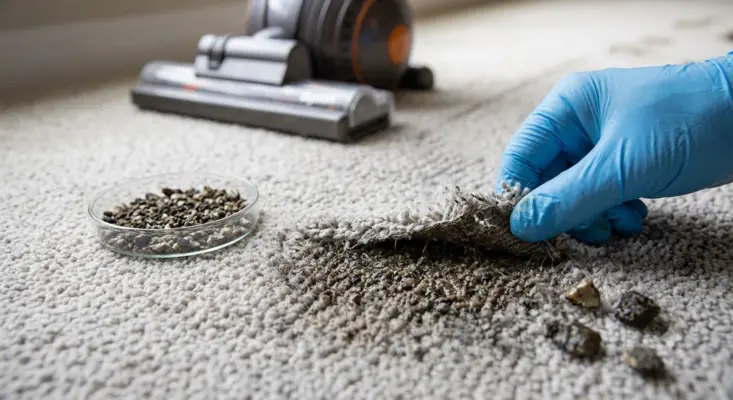
Most homeowners focus on the visible carpet fibers, but contamination often extends beyond the surface layer. Dirt, moisture, allergens, and spills can migrate downward into the carpet backing and padding.
These lower layers are inaccessible to routine vacuuming. Once contaminants reach this area, they may remain trapped for extended periods unless professional extraction methods are used.
Pet accidents are a common example. Liquids frequently penetrate beyond the visible surface and settle within the padding below. Even if the surface appears clean, odors and contamination may persist underneath.
Hidden contamination beneath the surface shows why vacuuming alone is not enough for complete carpet care.
9. High Humidity Can Make Carpet Problems Worse
Homeowners in coastal communities often face additional carpet maintenance challenges. Areas such as League City, Seabrook, and Webster frequently experience elevated humidity levels throughout much of the year.
Humidity can contribute to moisture retention within carpet fibers, creating an environment where odors and contaminants become more problematic. Dust, allergens, and airborne particles may also accumulate more rapidly under certain environmental conditions.
Vacuuming remains important, but it cannot address moisture-related concerns or remove contaminants that have become embedded deep within the carpet.
Periodic deep cleaning helps remove accumulated debris and supports a healthier indoor environment, particularly in regions where humidity is a constant factor.
Environmental conditions also explain why vacuuming alone is not enough in humid climates.
10. Professional Cleaning Complements Vacuuming Rather Than Replacing It
Some homeowners mistakenly believe that professional carpet cleaning and vacuuming are competing approaches. In reality, they serve different purposes.
Vacuuming is designed for routine maintenance. It helps remove surface debris before it becomes deeply embedded. Regular vacuuming keeps carpets looking cleaner between professional cleanings and helps reduce the amount of loose dirt entering the fibers.
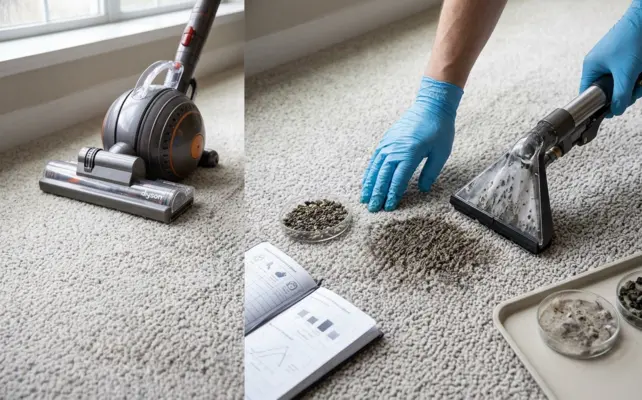
Professional carpet cleaning focuses on deep cleaning. It removes contaminants that routine vacuuming cannot reach and addresses issues that accumulate gradually over time.
The most effective carpet maintenance strategy combines both methods. Vacuuming provides ongoing care, while professional cleaning delivers the deeper restoration necessary for long-term carpet health.
Homeowners who use both approaches typically enjoy cleaner carpets, improved indoor air quality, and longer-lasting flooring.
11. Why Vacuuming Alone Is Not Enough for Deep Cleaning
Even households that vacuum several times each week should consider periodic professional carpet cleaning. Most carpet manufacturers recommend professional cleaning every twelve to eighteen months.
Homes with pets, children, frequent visitors, or heavy foot traffic may benefit from more frequent service. Households dealing with allergies or indoor air quality concerns may also require additional cleaning.
Professional maintenance helps remove the contaminants that accumulate despite regular vacuuming. This proactive approach can improve cleanliness, protect carpet fibers, and reduce the likelihood of long-term damage.
For many homeowners, professional carpet cleaning becomes an important part of protecting one of the largest flooring investments in the home.
Frequently Asked Questions
Is vacuuming enough to keep carpets clean?
No. Vacuuming removes surface debris but cannot effectively remove deeply embedded dirt, allergens, bacteria, oils, and contaminants trapped within carpet fibers.
Why does my carpet still look dirty after vacuuming?
Dirt, oils, stains, and debris may be embedded below the surface where vacuuming cannot reach. Professional cleaning is often necessary to remove these contaminants.
Can vacuuming remove allergens?
Vacuuming can remove some allergens near the surface, but many particles remain trapped deep within the carpet structure and require deep cleaning for effective removal.
How often should I vacuum my carpet?
Most homes benefit from vacuuming at least once or twice per week. High traffic areas may require more frequent attention.
How often should carpets be professionally cleaned?
Most experts recommend professional carpet cleaning every twelve to eighteen months, although homes with pets, children, or heavy foot traffic may require more frequent service.
Final Thoughts
Vacuuming is an essential part of carpet maintenance, but it should not be viewed as a complete cleaning solution. While it effectively removes surface debris and helps maintain appearance, it cannot eliminate the deeply embedded dirt, allergens, bacteria, oils, and contaminants that accumulate over time.
Understanding why vacuuming alone is not enough allows homeowners to take a more comprehensive approach to carpet care. By combining regular vacuuming with professional carpet cleaning in League City, homeowners can enjoy cleaner carpets, healthier indoor air, improved appearance, and longer-lasting flooring. The result is a home that not only looks cleaner but also provides a more comfortable and healthier environment for everyone who lives there.
Related Blogs:
10 Smart Business Carpet Cleaning Frequency Tips to Save Money
Questions to Ask Before Hiring Carpet Cleaners
Eco-Friendly Carpet Cleaning Methods: A Complete Guide to Cleaner and Healthier Carpets
Fall Carpet Maintenance Guide: How To Protect Your Carpets During The Autumn Season
5 Responses